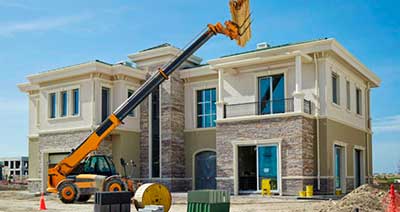
Nearly all of Florida's residential exteriors are constructed using one of two structural procedures. 1 method is engineered frame timber structure and another procedure is concrete block structure or CMU structure (short for concrete masonry unit)
Many homeowners' dream of a recently constructed home constructed by a local house builder due to all of the wonderful choices that it provides. To off your new building home could be designed exactly the way you need it. This permits you to select the floor plan and space design including sizes to match precisely how you would like to call home. When finished you'll get that new house feel in which you are the very first person to hang an image or the odor of freshly developed home construction materials. There are many more reasons to construct a new building home particularly when the cost is very similar to an older residence.
In today's modern time of development and manufacturing you will become improved low maintenance construction materials that may endure for a lifetime. You then have the security element of the new structure using more innovative engineered and layout procedures. Below is a Brief list of exactly many related items Which You Can read in detail about within our Construction Resource library.
- Maintenance Free Building Products
- Homeownership Price Savings with new building
- Decrease Your Insurance statements
- Decrease Your utility bills
- Zero Energy Homes
- New Construction Better Floor plan Designs
And a Whole Lot More!
Generally discussing the procedure to construct never begins until the construction permit is issued. This means that the house builder is now able to proceed. This really is a two part issue, Pre-construction and real construction.
Pre-Construction record of things and projected time frames which the builder has no management of:
- Selecting a Home plan. 15 Times
- Times. 30 Times.
- Bank / optimally reviewing finished strategy and approving loan. 45 Times.
Actual Construction job is recorded below in the Construction Process department but the total time period often can vary from 12 weeks to 18 weeks. Based on climate, house design and construction systems it's likely to compete a well-built house in 6 to 9 weeks. Among the greatest reasons for longer period lines is the construction inspection procedure; unlike many nations Florida has a rather in depth inspection list. This can be to your gains as in certain countries they may have just four testimonials for your comprehensive house which could allow inferior workmanship never to be viewed. In Florida it is not unusual to get twenty five or more testimonials. The lengthen time period comes when a contractor needs to pack up his occupation and wait to return to complete following the local construction contractor has an opportunity to reassess his tight work. Only 1 example may be the drywaller should get a twist inspection before beginning to mud the drywall joints.
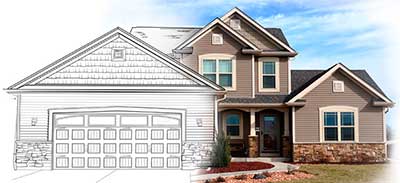
When you are designing your dream house a house builder might provide you a choice to sit with an builder or decide on a stock home plan. Regardless of your decision you pay for this. When sitting together with the architect you may often observe the general home price increase three million or more to pay only this procedure. What's more, the architect's most important aim is building you exactly what you need not keeping you . Since architects aren't house builder they have no idea the precise price of all of the things you request this in no time that your construction cost could greatly improve. For instance shifting an exterior wall " outside so that you may repair your idea bedroom dimensions can cost you ten million or longer because timber is sold in 2 feet and that 4" only beyond another sized timber. A builder can perform anything on paper but if you'd like a valued engineered strategy leave this up to the house builder to work right with the architect in order that they can discuss structural problem together and make a value engineered layout.
In case your new building home layout takes you down a stock home plan route no worries you will still have hundreds of options to make. Matters like forms of interior and exterior finishes, system updates, enlarging square footage of dwelling and a lot more.